Why a Wall Patch Shows Through Paint and How Texture Matching Works
A patch can be perfectly smooth and still look wrong, because the eye reads texture and sheen long before it reads color.
October 21, 2026 · 4 min read
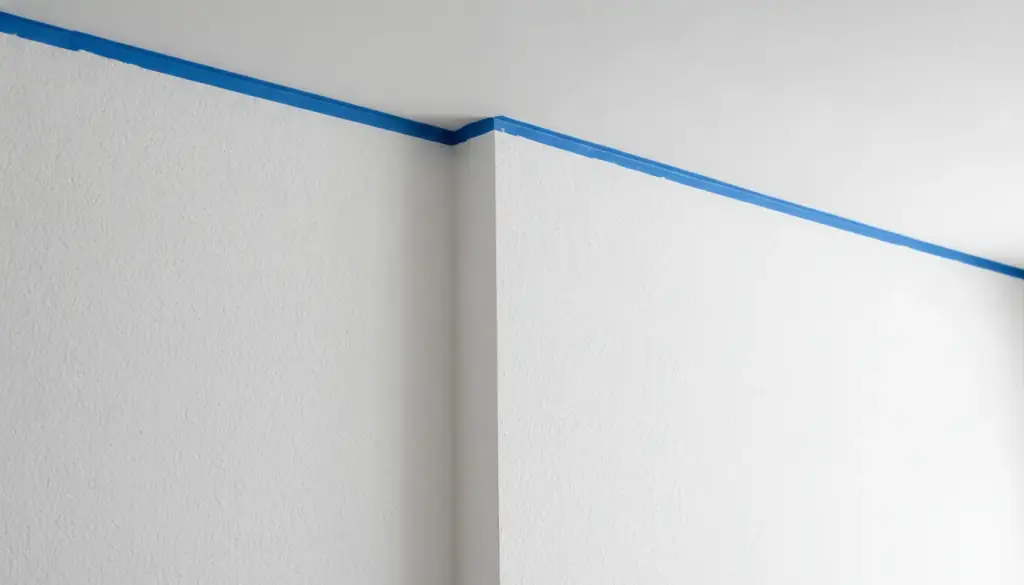
Why a patch announces itself
You fix a hole in the wall, sand it, and paint over it with the same can of paint you used on the room. It looks fine for the length of one afternoon. Then the sun moves, light rakes across the wall at a low angle, and there it is: a smooth, slightly shiny rectangle sitting in the middle of a textured surface.
Paint hides color differences. It doesn't hide shape. A textured wall is covered in thousands of tiny peaks and valleys, and a patch that's flatter, or bumpier, or just arranged differently, catches light differently from everything around it. Your eye notices that before it notices anything about color, which is why a patch can be invisible in photographs and obvious in the room.
Orange peel, stucco and custom textures
Orange peel is a fine, even texture that looks like the skin of an orange. It's sprayed on, and the result depends on how thin the mixture is, how far the sprayer sits from the wall, and how much air pressure is behind it. Change any of those and the dots come out larger, smaller, flatter or sharper.
That's the reason a can of spray texture from the hardware store rarely blends into an existing wall. The sample on the can is somebody else's wall. The texture already on your wall was applied years ago, by a different crew, with a different setup, and it may have been painted several times since, which softens the peaks. Matching it means looking at the wall and adjusting until the new area behaves like the old one.
Stucco and hand-applied textures add another variable: the person who made them. A knockdown, a skip trowel or a swirl pattern is partly a repeated hand motion. Two painters can aim for the same pattern and still produce different ones, because the size of the sweep, the pressure on the tool and the timing all show up in the finish.
Johnson's Painting & Roofing lists stucco, stucco repair, texture matching and custom texture among its texture services, along with orange peel and popcorn ceilings. For a repair, the practical point is simple: the closer the pattern is to the original, the less the wall looks like it has been worked on. For a new wall or a room refresh, a custom texture gives you a chance to pick something that suits the house instead of copying what was there.
What matching usually involves
Every repair is a little different, but the general order of work is familiar to anyone in the trade. Think of it as a sequence of steps, each one setting up the next.
- Repair the underlying damage so the surface is solid, flat and dry
- Look at the existing texture in raking light to see its pattern, size and direction
- Apply the new texture to the repaired area and feather it outward past the edges of the patch
- Test on a small area first when the pattern is hard to read, and adjust before committing
- Prime the repaired area, since fresh patching material absorbs paint differently from the old wall
- Paint, usually the whole wall from corner to corner, so there's no visible stop-and-start line
The priming step gets skipped more often than any other. Joint compound and texture material soak up paint like a sponge, which leaves a dull spot on the wall that people call flashing. A coat of primer evens that out before the finish coat goes on.
Sheen and light matter as much as the pattern
Even a good texture match can fail on sheen. Flat paint absorbs light, satin reflects some of it, and gloss reflects most. If the old wall was painted years ago in satin and the repair gets a flat coat, the patch will read as a dull square. Matching the sheen, or repainting the whole wall, is how you avoid that.
Where the wall sits in the house changes how forgiving it is. A hallway with one small lamp hides almost everything. A living room wall beside a big west window, with the Oklahoma afternoon sun sliding across it, hides nothing. If a wall gets strong side light, plan on repainting the full wall and not just the repaired area.
What to have ready before the quote
You don't need technical vocabulary to get a repair priced. A few details help the painter see what you see, and they make a first visit more productive.
- Where the damage is and what caused it, such as a plumbing repair, a removed fixture or settling
- Which rooms have the texture you want matched, and whether the same pattern runs through the whole house
- Whether the walls were painted recently, and if you still have the leftover paint
- Any spots that already bother you, so they can be looked at in the same visit
Take a photo of the wall in the late afternoon if you can, when the light is lowest and every bump is visible. It's the fastest way to show someone what you're trying to match, and it shows them how the patch will look at its worst.
Talk to Johnson's about your walls
If you have a patch that won't disappear or a room where you'd like a new texture, call Johnson's Painting & Roofing at (580) 695-9941 for a free quote. They serve Lawton and Duncan, they're available 24 hours a day, and se habla español. Describe the wall, send a photo if you have one, and ask what it would take to make the repair blend.
Johnson's Painting & Roofing, (580) 695-9941
Call (580) 695-9941More articles
Should You Repair a Popcorn Ceiling or Retexture It
Most popcorn ceiling calls start with one damaged spot, and the right answer depends on how much of the ceiling is still in good shape.
Choosing a Roof for a Southwest Oklahoma Home
A roof has to handle sun, wind and storms, so the right material depends on how you want the house to look and how much upkeep you'll accept.